Lab departments
From everyday blood tests to the study of genes, chromosomes and tissue, every department of Farda Lab works under one roof. Open a department to read more about its work.
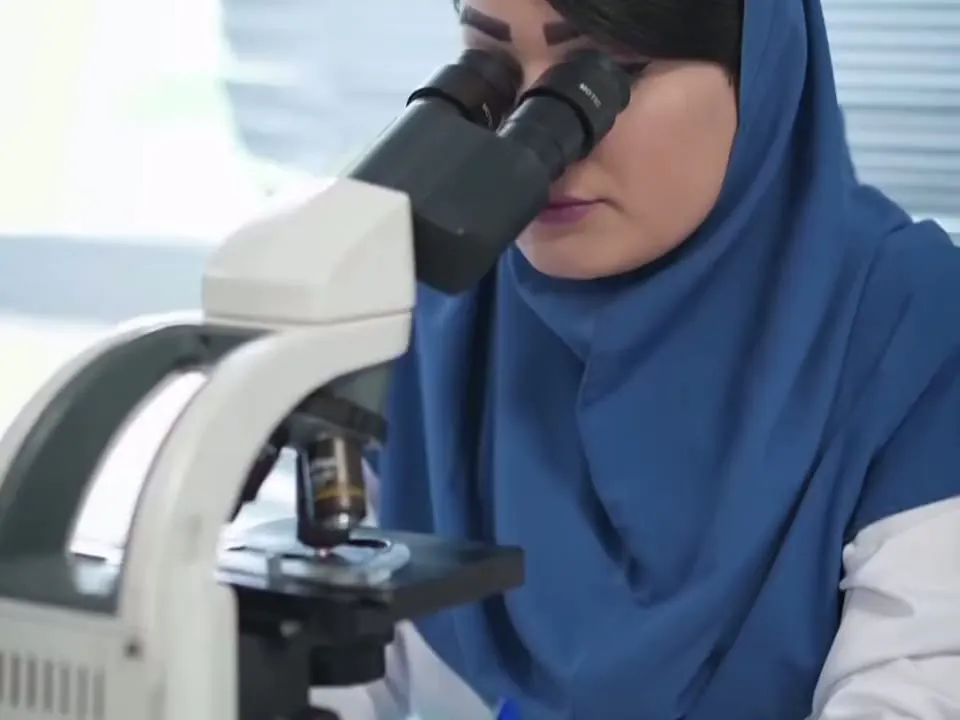
Genetics and pathology
-
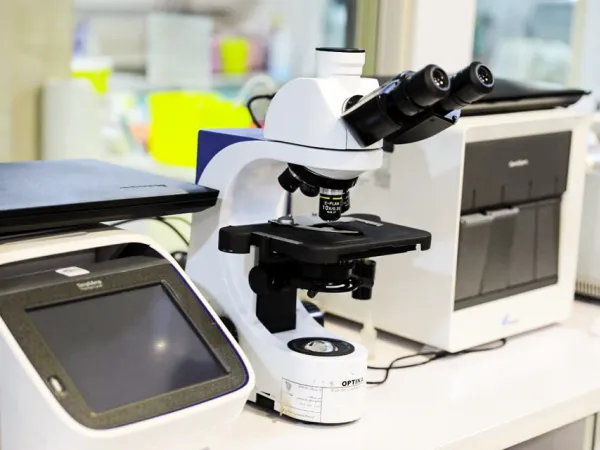
Genetics
Genes and chromosomes, studied in two sections: molecular genetics and cytogenetics.
-
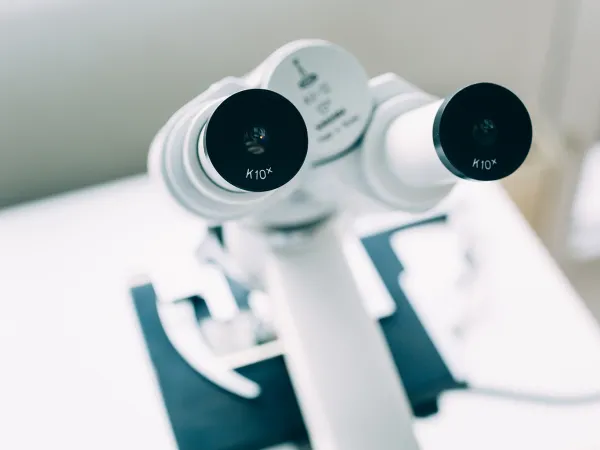
Pathology Cytology
Pathology is a medical specialty that determines the cause and nature of diseases.
Clinical laboratory
-
Biochemistry
Clinical biochemistry measures substances such as electrolytes, fats, proteins and glucose in blood, urine and other body fluids.
-
Flow cytometry
A laser-based technique that measures the physical and chemical features of cells in blood, bone marrow and other fluids.
-
Hematology
The Hematology section of the lab analyzes the amount and function of blood cells and plasma.
-
Hormone
Hormones exert a powerful influence on overall physical, intellectual and emotional behavior.
-
Immunoelectrophoresis
Separates and identifies proteins with an electric field and antibodies, to help diagnose diseases of the immune system.
-
Immunology
Viral and immune-system tests, most of them based on antibody reactions.
-
Microbiology
Microbiology is the diagnosis of infection caused by bacteria, fungi, and parasites.
-
Serology
A serology blood test is performed to detect and measure the levels of antibodies as a result of exposure to a particular bacteria or virus.
Start from your test or condition
You don’t need to know which department does your test.
- Tests catalogue Find the test your doctor wrote down and see what it measures and what sample it needs.
- Test preparation guides How to prepare: fasting, the right time for your sample, and other notes.
- Conditions and diseases Read about a condition and the tests used for it.
- Test packages Ready-made groups of tests you can choose without knowing each test’s name (in Farsi).
A question about your test?
Call the lab. If coming in is hard for you, request sampling at home.
Hours, address and directions